Dog friendly? What Cotswolds property owners need to consider
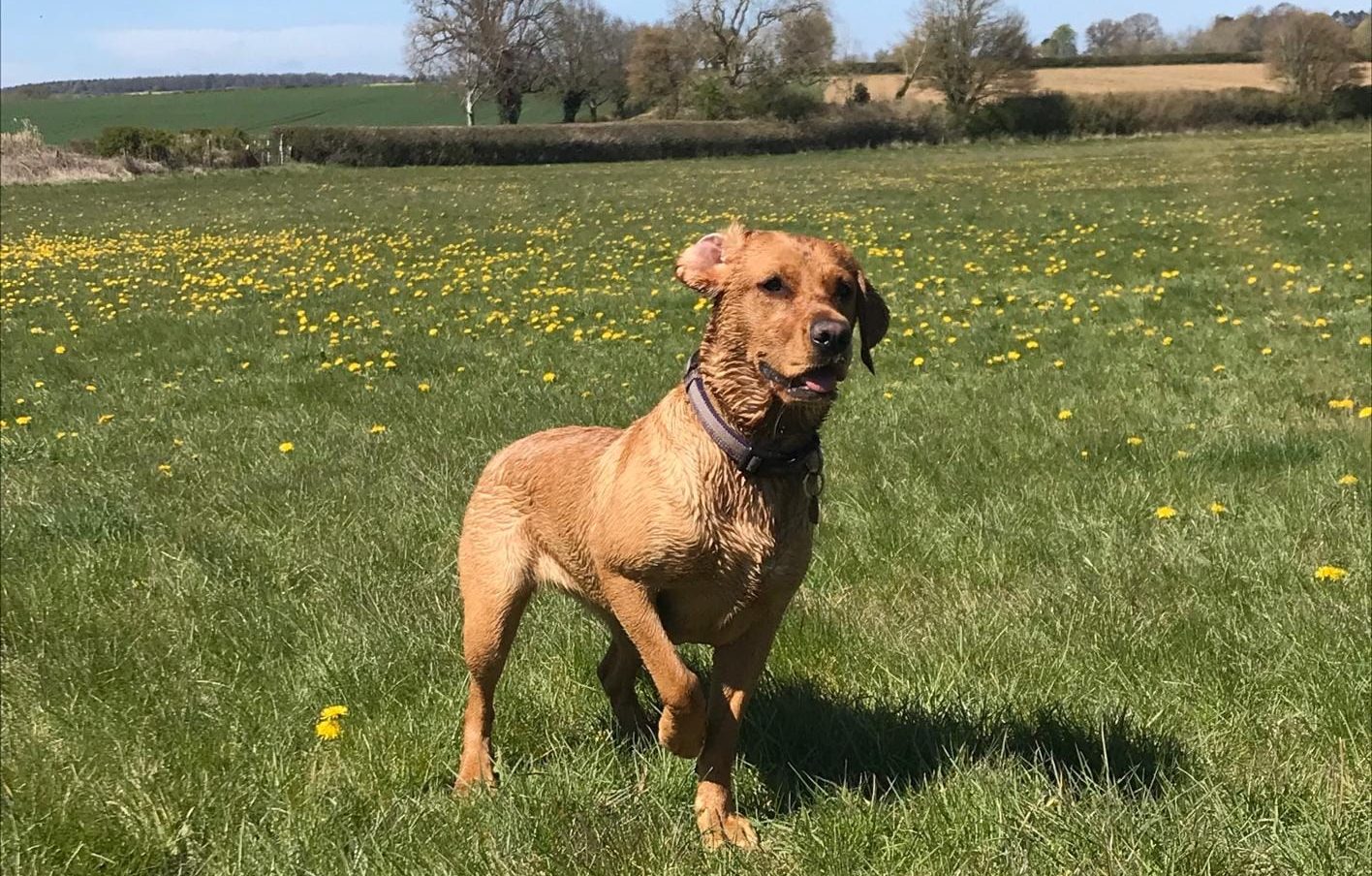
The dog-friendly decision: what Cotswolds property owners need to know
Deciding whether to accept dogs is one of the most significant positioning choices you’ll make as a holiday let owner.
According to the Pet Food Manufacturers’ Association (PFMA), approximately 13 million UK households now own dogs – roughly 34% of all households, up from 26% in 2020. The pandemic accelerated this dramatically, with an estimated 3.2 million households acquiring dogs during lockdown.
For Cotswolds owners, this represents significant opportunity. More dog owners seek exactly what this area offers: miles of footpaths, dog-friendly pubs, open countryside. But it also means additional property wear and careful management.
The case for dog-friendly
Higher occupancy: Dog-friendly properties consistently achieve 15-25% higher annual occupancy. In the Cotswolds, where walking disproportionately attracts dog owners, excluding pets means opting out of a substantial market segment.
Longer stays: Dog owners typically book 3-5 nights rather than weekends. Traveling logistics make short breaks impractical, meaning better revenue per booking and fewer changeover costs.
Year-round demand: Dog owners holiday regardless of season. Walking is necessary year-round, and many prefer quieter off-season periods, dramatically improving shoulder-season and winter occupancy.
Premium pricing: Typical dog fees are £20-30 per stay, adding meaningful revenue. Dog owners are less price-sensitive when finding properties genuinely welcoming their pets.
Loyal guests: Dog owners who find suitable properties become intensely loyal, returning annually and recommending to fellow owners. This creates predictable occupancy from returning guests.
The realities
Additional wear: Even well-behaved dogs cause wear humans don’t – muddy paw prints on floors, walls, furniture; door scratches near handles; hair embedded in furnishings; occasional accidents; garden wear; potential fence damage. Budget for more frequent deep cleans, earlier soft furnishing replacement, periodic door repainting.
Higher cleaning standards: Remove all traces of previous dogs to avoid allergy issues and territorial marking. Thorough vacuuming, washing all throws, extra attention to hair-accumulating corners.
Property requirements:
- Fully enclosed garden with secure fencing (4-5 feet minimum)
- Outdoor tap for washing muddy paws
- Hard ground-floor flooring (wood, tile, stone)
- Easy-clean furniture (leather or wipeable fabrics)
- Boot room or space for dog gear
Setting clear boundaries:
Successful properties have clear policies:
- Maximum 1-2 dogs
- Not left alone for extended periods (more than 2-3 hours)
- Clear furniture rules (provide dog blankets or specify no furniture access)
- Must be house-trained and non-aggressive
Frame rules positively:
Instead of: “Dogs not allowed on furniture” Try: “We provide dog blankets – please use these if your dog likes to cuddle up”
Instead of: “You’ll be charged for damage” Try: “We understand accidents happen – please let us know immediately so we can provide cleaning supplies”
Encouraging responsible guests:
Welcome Touches:
- Dog treats in sealed jar with personalised note
- Information folder: local walks, dog-friendly pubs, vet details
- Waste bags and dispenser
- Dog blankets clearly marked
- Spare water bowls
Pre-Arrival Communication: Send dog-specific messages days before arrival confirming names (personalises), gently reminding rules, sharing walk recommendations, highlighting dog-friendly features. These cost little but signal genuine welcome.
The numbers
Dog free property:
- Annual occupancy: 63%
- Average nightly rate: £150
- Annual revenue: ~£30,150
Dog-friendly property:
- Annual occupancy: 81%
- Average nightly rate: £155
- Dog fees: £1,500/year
- Annual revenue: ~£41,088
Additional costs:
- Extra cleaning: £300/year
- Garden maintenance: £200/year
- Dog supplies: £150/year
- Total: £950/year
Net difference: ~£10,000/year additional revenue
The dog-free alternative
If deciding against dogs, market this positively. Genuine demand exists from families with allergies, guests with dog phobias, people seeking allergen-free environments.
Position as “Completely dog-free environment” or “Allergen-friendly property” rather than just absence. Lower occupancy than dog-friendly properties, but can perform well targeting this specific market.
Making the decision
Your property – Practical flooring and furnishings? Secure outdoor space? Irreplaceable antiques or delicate finishes? Suitable layout?
Your tolerance – Comfortable with additional wear? Can absorb occasional damage philosophically? Time/resources for thorough cleaning?
Your market – Good dog walks nearby? Local pubs and attractions dog-friendly? What percentage of competitors accept dogs?
The Cotswolds Advantage
Exceptional dog territory – miles of footpaths, welcoming pubs, countryside culture embracing dogs. Properties near popular walking routes (Cotswold Way access, circular village walks) have particular appeal.
Highlighting walk recommendations and distances attracts most desirable guests choosing the Cotswolds specifically for dog walking.
Transitioning to dog-friendly
Before first dog guest: deep clean establishing baseline, repair existing damage, install outdoor tap if needed, check garden fencing, purchase dog supplies, create dog-specific house rules, update insurance if required, revise listing with clear policy, add dog fee to pricing.
Start conservatively – limit to one dog initially. If you’re uncomfortable with specific breeds, include in listing.
Final thoughts
The question isn’t just “Should I accept dogs?” but “Am I prepared to do dog-friendly properly?”
Half-hearted dog-friendly – grudgingly accepting while providing nothing and resenting wear – satisfies no one. Guests sense reluctance, and reviews suffer.
Proper dog-friendly – genuinely welcoming, providing for needs, accepting wear philosophically, communicating clearly – creates loyal guests, strong reviews, higher occupancy, better revenue.
For most Cotswolds properties with practical flooring and outdoor space, done properly, dog-friendly significantly improves performance. For pristine period properties with pale carpets and Georgian antiques, dog-free is legitimate when marketed confidently.
The choice is yours – but if you’re doing it, commit to doing it well.
Ready to discuss your property’s dog-friendly potential? Get in touch with our team.